
At RoomSketcher, we believe that our customers should never feel alone when using our products. That's why we have an in-house customer service team to help you whenever needed. Our team is committed to delivering fast, reliable, and free assistance, whether you have a question about our space planning tool or need help with a technical issue. It fosters client satisfaction, which is invaluable if you are looking to create a name for yourself in the industry and expand your business footprint.
Scale
With Houzz Pro’s 3D floor planning software, you can experiment with the design, move the elements and adjust the space until you reach just the right spot. Learn how Houzz Pro can transform your space planning journey. What is a space plan, and why does it matter in interior design? Our definitive guide breaks down the art of integrating core design principles into the space planning process. Keep in mind that creating a space plan is just one part of creating a cohesive design plan.
Solutions
You need to take into account the traffic flows when designing a space, to ensure that there is enough room for people to move around comfortably. Zoning refers to the process of dividing a space into different areas based on their function. For example, you might have a living area, dining area, and kitchen in an open-plan living space. There are many different configurations that can be used in space planning, depending on the needs and requirements of the occupants. Here’s one bonus tip that may or may not apply to your situation.
The Ultimate Guide to Effective Space Planning
Planner 5D is perfect for all kinds of site plan design – remodel, office relocation, or building a new one. It’s how we really get to know you and can begin to intuit with our interior design superpowers exactly what will make your home perfect for you. Asking these types of questions will help you determine the main purpose of the room, making it easier for you to define specific zones. Once the bubble plan is complete, it is time to draw up a detailed plan. You can use either a large piece of paper, or software on the computer.
The time you spend planning your interior design may feel like a luxury you do not have. However, if you take the time to carefully plan your space, it will run more smoothly, and you will have more time to enjoy the amazing space you have created. Ultimate interior design platform to help you create stunning projects, wow your customers and win new clients. To create a comfortable space that feels just right for you, it’s best to plan all of these elements before you actually start making any final decisions. Before designers can start incorporating furniture and design elements, they must first identify the purpose of the room, as well as different zones within that room. Whenever you are designing a room that serves multiple purposes and/or is very large, it's really important to create distinct zones so that you can have a truly functional space.
All the furniture can be resized easily, and all our new furniture is created using our powerful Replace Materials feature so that you can customize each item to your design concept. With RoomSketcher, creating a layout of a space is easy and intuitive. Start with the space plan template that is most similar to your project, and customize it to suit your needs. No technical drawing skills are required, and you will be up and running in no time. This will reveal the conceptual use of each space and will serve as your guide throughout the design process.
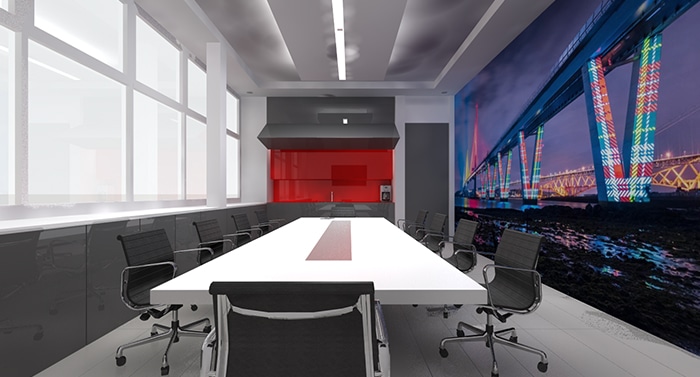
That way your client won’t have to worry about drilling a hole in the wall to fish out the electrical wires later on. Depending on the room you’re designing and the client’s needs, you can opt for ambient lighting, overhead lighting, task lighting, or all of the above. Dimmers come in handy so your client can adjust the brightness as needed. Easy circulation is—or should be—a priority in a home, and it is a major component of space planning.
Space Planning Basics: How to Create a Space Plan
Effective space planning is the key to unlocking the potential of every space and achieving the perfect balance of aesthetics and functionality. Space planning helps designers create living and working environments that inspire, rejuvenate, and enrich the lives of their occupants. Remember – each space is unique, and its space planning process must involve tailoring the design to suit its occupants’ specific needs and preferences. The research phase of the Design Process involves ascertaining the adequate floor space for each activity area within the building.
These lapses may seem obvious in hindsight, but they still occur. Have you ever been to a party at someone’s home and all the natural gathering spaces were also the high traffic areas? Or cooked in a kitchen where the workspace was really far away from the stove? These are problems that good interior design seeks to prevent and anticipate.
The key principles of space planning in interior design are to create functional, efficient, and aesthetically pleasing spaces that meet the needs of the users. This involves analyzing the available space, determining the purpose of the space, and selecting the appropriate furniture and accessories to achieve the desired look and feel. To improve your space planning skills in interior design, you can start by studying the principles of space planning and familiarizing yourself with the tools and techniques used in the field.
Moreover, space plans are necessary if you plan to create a visualization for marketing purposes. Designers will use them to generate an accurate 3D model that reflects the look of premises. By avoiding these common space planning mistakes, you can create a functional, comfortable, and inviting space that meets the needs of everyone who uses it. The first step in creating a space plan is to define the purpose of the space. The purpose of the space will determine the layout, furniture, and decor.
Modern designers just have to find a suitable location for all necessary objects and create a space plan. Foyr Neo is an online interior design tool built specifically for designers. As you begin to walk your clients through space planning exercises, Foyr Neo will allow you to bring design ideas and floor plans to life in a snap. With just a few clicks you can present your client with a beautiful 4K render of their dream home or commercial space. Seeing a photorealistic rendering will help the client decide if the planned space truly meets their needs and desires.
From now on, you will start realizing the importance of space planning. You will learn about the role of ergonomic characteristics, standard dimensions, and other crucial factors. As a result, you will probably decide to use professional space planning help. Interior design focuses on the aesthetic and functional aspects of the interior of a space, while spatial design is concerned with the overall layout and flow of a space. Spatial design takes into account how people move through a space and how it can be optimized for different purposes. By following these basic space planning rules, you can create a functional and comfortable home that meets all of your needs.
It gives practical consideration to storage, which helps minimised clutter and maintain an organised home. Space planning for an interior design project in a small apartment, for example, ensures that storage space is given top priority and and that every area has a specific purpose and serves different needs. Spatial interior design is the process of designing interior spaces that are both functional and aesthetically pleasing.
Once you have your simple space plan diagram completed, it’s helpful to create a more detailed plan. Ideally, it’s a good idea to draw this to scale if you can, so take some measurements of your room to help you scale it down. Lighting and decoration can influence the mood and atmosphere of the space. Consider how to use lighting and decoration to enhance the overall design and functionality of the space. The layout and flow of the space can impact its functionality and usability of the space. It’s important to consider how people will move through the space and how different areas are connected.




No comments:
Post a Comment