Table Of Content
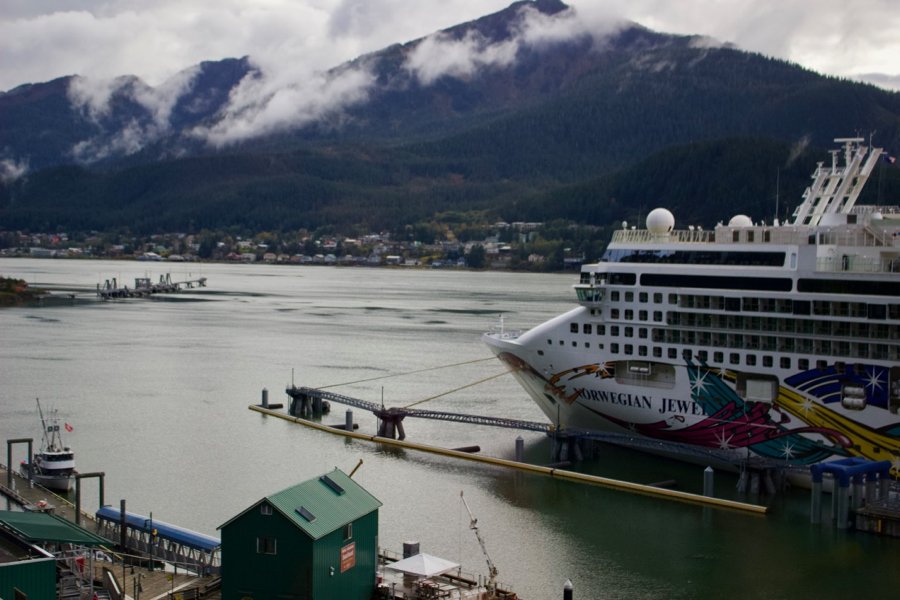
Perhaps the most effective way to improve your cruising carbon footprint is to spend your cruise dollars on a sustainable cruise. Cruise line Hurtigruten uses hybrid ships, which are powered by a battery system. Norwegian ferry line Color Line also has plans for a battery powered plug-in hybrid ferry. Finish cruise company Viking Line is exploring wind power, and has partnered with energy company Norsepower to install a rotor sail system on an LNG-powered ship, helping to cut emissions. There’s even a zero-waste Japanese ‘Ecoship’, dubbed the Peace Boat, in the works.
The cruise industry says it's improving. But is it?
Carnival Cruise Line and other top cruise ship companies have been breaking records for ticket sales this year. But a water-bound vacation isn’t just a concern for infectious disease—these ships are having a massive effect on the climate. There’s even a zero-waste Japanese Ecoship in development, with a hybrid engine, wind and solar power, and an educational mission. That doesn’t mean you can’t minimise your environmental footprint if you do want to take a cruise though. More than 26 million people took a cruise in 2018, and market projections have that number set to grow.
Weekly Data: is it better to take a cruise than fly? - Energy Monitor
Weekly Data: is it better to take a cruise than fly?.
Posted: Wed, 12 Jul 2023 07:00:00 GMT [source]
Dan Hubbell, shipping emissions campaign manager at Ocean Conservancy
A valid approach to reducing the air pollution effects on the environment and human health is proposed. This paper can provide useful information for governments for the implementation of a strategic plan focused on emphasizing multi-pollutant emission reductions and overall air pollution-related risk. Air Pollution ReductionTo determine the Air Pollution Reduction grade for each ship in a cruise line, ships that dock at a port and plug in to available shoreside power hookups were graded.
Are Oceans Turning Green Because of Climate Change?
Decide which cruise to take based on a cruise ship or cruise line’s environmental and human health impacts. To mitigate the air pollution problem, many efforts have to be taken with the aim to decrease the pollutants emissions coming from people. Each citizen may contribute to the mitigation of air pollution through behavioral changes in their lifestyle as the reduction of energy consumption in transportation, households, and supply. Our technology helps businesses to tackle their own carbon emissions without incurring a huge cost. The Carbon Management Platform allows companies to manage their CO2 emissions and to take steps to reduce them.
Despite efforts to reduce particle emissions deriving from outdoor activities, most of air pollution is related to indoor microenvironment (Buonanno et al. 2017). The air quality inside buildings is affected by the air circulation, the construction materials, the use of cleaning products, and the habits of occupants (smoking). A vast range of pollutants can concentrate in indoor environments produced by individual activities in addition to outdoor concentrations (Settimo 2015). Among public buildings, school is one of the worrisome indoor environments since children represent a susceptible population to air pollution due to their age (Mainka et al. 2015). Even if companies don’t get on board with building more sustainable cruise liners, they can start with building smaller cruise ships in general.
How El Niño has been disrupting global trade routes
Cruise ship catalogues often describe the ships as floating cities and, like cities, cruise ships also have a problem with pollution. Despite the ocean breezes, German watchdog NABU ((Nature and Biodiversity Conservation Union) found that the air on the deck of a cruise ship is more similar to the air in one of the world’s most polluted cities than to paradise. This could prove possible with a cruise ship designed to cling closer to the water, implementing solar powered retractable sails, and opting for battery-powered sailing as opposed to the use of fossil fuels. If all goes according to plan, this first ever sustainable cruise ship could be ready to set sail by 2030. In fact, taking a cruise is worse than flying – with the average cruise ship trip resulting in anywhere from 700 to 1,000 pounds of carbon dioxide emissions per day. The most straightforward way to reduce environmental impacts is for the cruise industry to behave as it says it behaves.

As of right now, the average cruise ship can accommodate around 3,000 people – but major cruise ship companies are seeking to build cruise ships which can hold triple the amount of passengers. Inevitably, more passengers means a higher carbon footprint per cruise – which is something for cruise ship companies to think about. Four companies—Carnival, Royal Caribbean, Norwegian Cruise Lines, and MSC—control the lion’s share of the cruise market. They’ve made some positive moves, such as investing in ships capable of running on methanol, though such vessels might continue to mostly use diesel for the time being due to lack of refueling infrastructure. But, with the notable exception of Norwegian, the big players’ current environmental plans primarily hinge on using liquified natural gas (LNG) in the newest generation of ships.
Below the MSC logo that adorns the ship’s smokestacks, a group of children go down water slides while several French women combine their breakfast buffet with an early morning tanning session. A frequent arrival at Barcelona’s port is the Grandiosa, belonging to the cruise company MSC. Ana, a 74-year-old retiree, boards the vessel with her grandson and mother-in-law. Originally from Colombia, she has lived in Barcelona for the past three decades and this will be her fourth cruise in three years.
Around the world in 245 days – at just £67k for cruise of a lifetime
Beyond mitigation strategies to reduce air pollution, each citizen can adopt some eating habits that can influence own health status (Biesbroek et al. 2014). It was well demonstrated that the increased intake of antioxidants in foods could hinder and reduce the adverse effects of atmospheric pollution (Kelly et al. 2003). Precisely, the antioxidants are substances able to neutralize free radicals generated by some air pollutants (ozone and nitrogen dioxide). In this way, injury to respiratory tract like asthma can be avoided after their oxidant exposure (Romieu et al. 2002).
Hurtigruten’s work may prove out some worthy technologies that the rest of the cruise industry could adopt. But the central idea of using a big battery may ultimately be impossible for bigger cruise ships, because batteries can’t store enough power in a small enough space—to get across an ocean, you’d need a battery that might take up much of an entire ship. Sails can help, but they wouldn’t be able to do more than provide an energy boost for many kinds of shipping. That leaves either biofuels or synthetic fuels produced using renewable energy—each with its own drawbacks. It probably won’t come as a shock that the whole thing isn’t exactly sustainable. A medium-sized cruise ship spews greenhouse gas emissions equivalent to those of 12,000 cars, while environmentalists accuse big industry players of investing little in decarbonization, and of covering up endless delay tactics in a heavy coat of greenwash.
The review combined research papers on a range of factors which have environmental or health impacts, or both. In one example, they synthesised six papers on carbon dioxide emissions, which have significant impacts on both human and environmental health, through contributing to global warming. Available research suggest that a large cruise ship can have a carbon footprint greater than 12,000 cars. Passengers on an Antarctic cruise can produce as much CO2 emissions while on an average seven day voyage as the average European in an entire year. Within the Mediterranean, cruise and ferry ship CO2 emissions are estimated to be up to 10 per cent of all ship emissions. At least one cruise company, though, is betting that at least some potential customers care about sustainable vacations.
To determine the Transparency grade for each cruise line we graded each line based on whether it responded with specificity to our 2022 requests for information regarding their environmental practices. Finally, the change in average working hours in a very efficient way that could have a good impact on consumption and related environmental pressure (Bergh et al. 2011). When the Port of Seattle kicked off plans to develop a new cruise ship facility on the Seattle waterfront, we were faced with a challenge. 👉 Ultimately, a cruise ship bundle can help encourage customers to take the plunge and buy their cruise ship ticket – as all of the travel details will often be planned for them and will allow them to make the most of their cruise experience. Typically, a cruise ship will cost anywhere from 500 million to 900 million USD to build – with the average customer spending a few hundred for a short cruise ship vacation. A cruise ship refers to a large ship, with the modern cruise ship weighing in at around 200,000 gigatonnes – which is made for leisure sailing and recreational activities.
Among the various industrial sectors, one of the primary sources of the main pollutants (VOCs, toxins, PAH) is the chemical industry (Lee and Cho 2003). As a consequence, proper air pollution control techniques have to be applied to reduce the negative environmental impact (Contreras-Zarazúa et al. 2018). Another mitigation strategy to reduce air pollution from the industrial sector is the implementation of advanced technologies in the industrial process (Babar and Shareefdeen 2014). For example, clean coal technologies (CCT) can treat and use coal in an efficient way without a substantial environmental impact (Giuliano et al. 2018b). Besides, it was demonstrated that retrofitted technologies such as catalytic converters and desulfurization reduce only local air pollution. Today, air pollution is the main responsible for environmental quality worsening in many cities all over the world, with adverse outcomes on people’s health (Vlachokostas et al. 2011).
Therefore, it is necessary to reduce the consumption of food deriving from animal source by promoting a healthy diet with higher consumption of fruit and vegetables. While cruise lines comprise far less than 1% of the global maritime community, the cruise industry works every day to advance its responsible tourism efforts. While much progress has been made, the cruise industry recognizes that continued and greater investment in research and development is critical in order to achieve the ultimate objective of zero carbon emissions across the global maritime fleet. As of Jan. 1, the entire shipping world, which includes cruise ships, was required to reduce pollutants by using EGCS, using fuel with a lower sulfur level or using an alternative fuel source. In Folbert’s view, simply treating waste isn’t sufficient and companies must take a “broad perspective” on the variety and sources of pollutants to ensure adequate wastewater management.
This can exacerbate ocean acidification, already ramping up with climate change, and directly impact ocean life, including fragile coral reefs, the council’s website states. The score card grades each cruise line and ship from A–F, based on how they deal with sewage, air pollution and water quality, as well as their level of transparency. The big cruise lines also all have an environment and sustainability section on their websites where you can find out what they are doing to reduce their impact.




No comments:
Post a Comment